American Hairless Terrier
Trait scores
Health risk profile
Conditions below are ranked by documented prevalence and severity in the American Hairless Terrier. Risk level drives both veterinary costs and insurance pricing.
| Condition | Risk | What to know |
|---|---|---|
| Skin conditions (sunburn, acne, cold sensitivity) | high | Unprotected skin burns in minutes and chills quickly; sunscreen and clothing are routine, and most skin visits are minor. |
| Patellar luxation | moderate | Kneecap slippage seen at typical small-terrier rates; severe grades need surgery. |
| Allergies | moderate | With no coat barrier, contact and food allergies show directly on the skin. |
| Legg-Calve-Perthes disease | low | Hip-joint degeneration in young small dogs, usually corrected surgically. |
| Dental disease | low | Small mouths crowd teeth; regular cleaning prevents the usual small-breed dental bills. |
Pet insurance for a American Hairless Terrier
Insurers price a American Hairless Terrier from the breed's documented claims profile — here, 1 high-risk condition, led by Skin conditions (sunburn, acne, cold sensitivity). Enrolling early matters more than shopping hard: no carrier covers a condition once it is diagnosed.
Annual cost of ownership
Excluding insurance, the recurring cost of a American Hairless Terrier is driven by how much it eats — which scales with body weight — and how much grooming it needs. At 12–16 lbs and a grooming score of 2/5, the American Hairless Terrier sits below the average dog on grooming spend. Chronic conditions from the risk table above can add substantially to the medical side of the budget — one reason breed-matched insurance matters. For the component-by-component breakdown, see the average cost of owning a dog, and model your own numbers with thecost of ownership calculator.
About the American Hairless Terrier
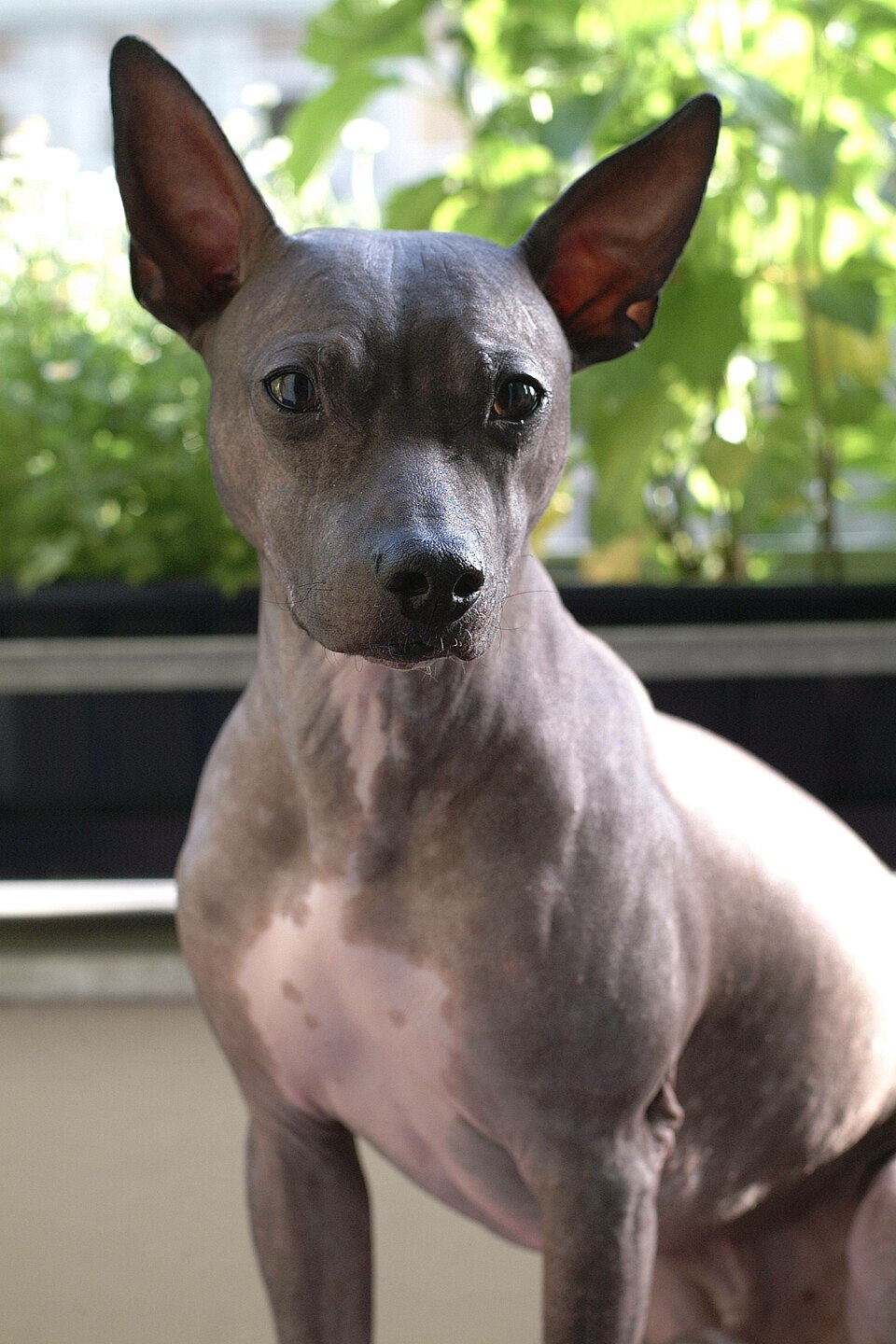
The American Hairless Terrier descends from a hairless Rat Terrier born in Louisiana in 1972, and it is the only native American hairless breed. Underneath the novelty it is a true terrier: quick, curious, playful, and busy, with a strong chase instinct toward anything small and fast. The hairless variety needs no brushing but does need skincare — sunscreen in summer, sweaters in winter, and occasional baths for acne-prone skin. It trains well, bonds closely with family, and is alert without being yappy. An excellent pick for mild-allergy households willing to manage a dog that wears sunscreen to the park.
Origin: United States (Louisiana)
Temperament
Related reading for American Hairless Terrier owners
- How much does pet insurance cost for a American Hairless Terrier?
- American Hairless Terrier hereditary conditions and what insurers actually cover
- Getting allergy and skin treatment covered
- Dental illness coverage for small breeds
- Insuring an uncommon breed: the American Hairless Terrier dropdown problem
- Why enrolling a American Hairless Terrier young pays off over its lifespan
- What counts as pre-existing before you enroll
American Hairless Terrier FAQ
How long do American Hairless Terriers live?
The typical American Hairless Terrier lifespan is 14–16 years. Diet, weight management, and screening for the breed's known hereditary conditions have the largest measurable effect on longevity.
How much does pet insurance cost for a American Hairless Terrier?
There is no published breed-level price for pet insurance, so we do not quote one. NAPHIA's 2026 industry report puts the US average at $836 a year — about $70 a month — for accident-and-illness coverage on a dog, and insurers price above or below that line based on your dog's age, your ZIP code, and the plan you configure. The American Hairless Terrier carries 1 documented high-risk condition, which is the main reason a American Hairless Terrier policy prices above the national average. For real numbers, request quotes for your dog's exact age and ZIP code.
Is the American Hairless Terrier a good apartment dog?
Conditionally. The American Hairless Terrier can live in an apartment, but its 4/5 energy level means you'll need a consistent daily exercise routine.
What health problems are American Hairless Terriers prone to?
The most significant documented risks are Skin conditions (sunburn, acne, cold sensitivity), Patellar luxation, Allergies. Ask breeders for the relevant health clearances and budget for insurance early, before any condition becomes pre-existing.