Basenji
Trait scores
Health risk profile
Conditions below are ranked by documented prevalence and severity in the Basenji. Risk level drives both veterinary costs and insurance pricing.
| Condition | Risk | What to know |
|---|---|---|
| Fanconi syndrome | high | Inherited kidney-tubule disorder historically common in the breed; DNA testing has sharply reduced it. |
| Progressive retinal atrophy | moderate | Inherited retinal degeneration; DNA tests identify carriers. |
| Hip dysplasia | moderate | Occurs despite the small size; request OFA scores. |
| Hypothyroidism | moderate | Reported at notable rates in the breed. |
| Immunoproliferative small intestinal disease (IPSID) | moderate | Breed-associated chronic bowel disease causing diarrhea and weight loss. |
Pet insurance for a Basenji
Monthly accident-and-illness premiums for a healthy adult Basenji, based on current rate data across major insurers. Enrolling early locks in coverage before breed-linked conditions become pre-existing.
Annual cost of ownership
Excluding insurance, budget $1,100–$1,900 per year for food, routine veterinary care, grooming, and supplies for a Basenji. Chronic conditions from the risk table above can add significantly to that range — one reason breed-matched insurance matters.
About the Basenji
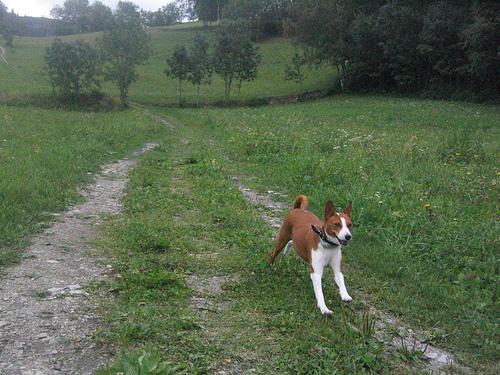
The Basenji is an ancient Central African hunting dog and the famous barkless breed — it yodels and screams instead. It is cat-clean, nearly odorless, and minimal-shedding, but also one of the most independent and least obedient breeds: recall is unreliable, prey drive is high, and secure fencing is mandatory. Basenjis are affectionate with their people yet aloof with strangers, and they entertain themselves destructively when bored. Suits experienced owners who value a quiet, clean, unusual companion and accept hound stubbornness.
Origin: Central Africa (Congo)
Temperament
Basenji FAQ
How long do Basenjis live?
The typical Basenji lifespan is 12–16 years. Diet, weight management, and screening for the breed's known hereditary conditions have the largest measurable effect on longevity.
How much does pet insurance cost for a Basenji?
Based on current rate data, expect to pay roughly $32–$58 per month for accident-and-illness coverage on a healthy adult Basenji. Premiums rise with age and vary by location and deductible.
Is the Basenji a good apartment dog?
Conditionally. The Basenji can live in an apartment, but its 4/5 energy level means you'll need a consistent daily exercise routine.
What health problems are Basenjis prone to?
The most significant documented risks are Fanconi syndrome, Progressive retinal atrophy, Hip dysplasia. Ask breeders for the relevant health clearances and budget for insurance early, before any condition becomes pre-existing.