Dalmatian
Trait scores
Health risk profile
Conditions below are ranked by documented prevalence and severity in the Dalmatian. Risk level drives both veterinary costs and insurance pricing.
| Condition | Risk | What to know |
|---|---|---|
| Deafness | high | Roughly 30 percent of Dalmatians are deaf in at least one ear; BAER-test puppies before purchase. |
| Uric acid bladder stones | high | A breed-wide uric-acid metabolism defect causes urinary stones; hydration and diet management are lifelong. |
| Hip dysplasia | moderate | Present at moderate rates; request OFA scores. |
| Skin allergies | moderate | Atopy and contact sensitivities occur with some frequency. |
| Epilepsy | low | Idiopathic seizures are reported in some lines. |
Pet insurance for a Dalmatian
Insurers price a Dalmatian from the breed's documented claims profile — here, 2 high-risk conditions, led by Deafness and Uric acid bladder stones. Enrolling early matters more than shopping hard: no carrier covers a condition once it is diagnosed.
Annual cost of ownership
Excluding insurance, the recurring cost of a Dalmatian is driven by how much it eats — which scales with body weight — and how much grooming it needs. At 45–70 lbs and a grooming score of 2/5, the Dalmatian sits below the average dog on grooming spend. Chronic conditions from the risk table above can add substantially to the medical side of the budget — one reason breed-matched insurance matters. For the component-by-component breakdown, see the average cost of owning a dog, and model your own numbers with thecost of ownership calculator.
About the Dalmatian
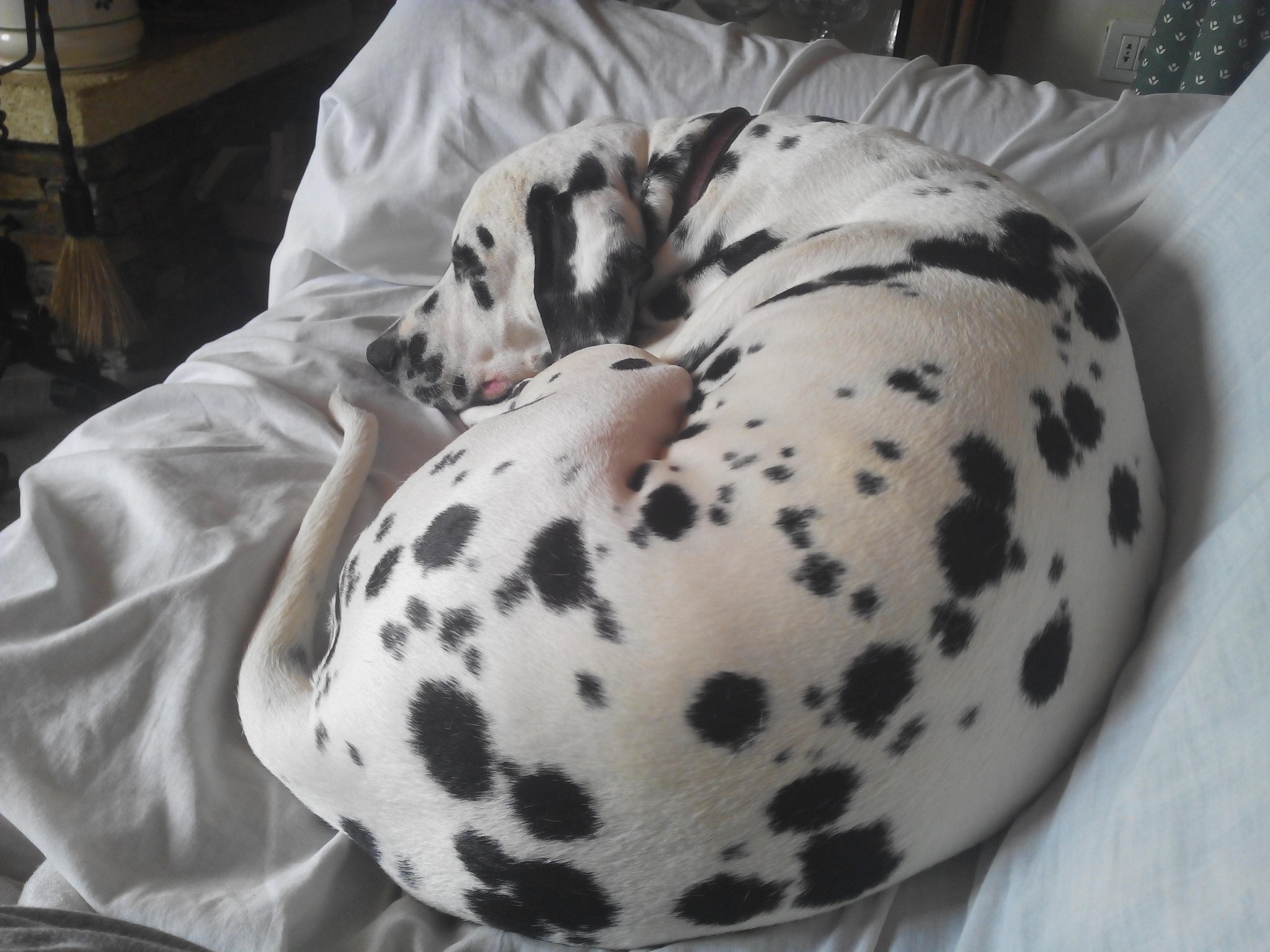
The Dalmatian is a Croatian coach dog bred to run for miles beside horse-drawn carriages, and it still has marathon-grade stamina. It is smart, loyal, and dignified with strangers, with a short coat that sheds far more than its appearance suggests. Exercise needs are genuinely high — this is not the low-maintenance movie dog — and under-exercised Dalmatians become restless and destructive. Two breed realities dominate health care: congenital deafness, so insist on BAER hearing tests, and uric-acid stones, requiring dietary management. Suits runners and active, experienced owners.
Origin: Croatia (Dalmatia)
Temperament
Related reading for Dalmatian owners
Dalmatian FAQ
How long do Dalmatians live?
The typical Dalmatian lifespan is 11–13 years. Diet, weight management, and screening for the breed's known hereditary conditions have the largest measurable effect on longevity.
How much does pet insurance cost for a Dalmatian?
There is no published breed-level price for pet insurance, so we do not quote one. NAPHIA's 2026 industry report puts the US average at $836 a year — about $70 a month — for accident-and-illness coverage on a dog, and insurers price above or below that line based on your dog's age, your ZIP code, and the plan you configure. The Dalmatian carries 2 documented high-risk conditions, which is the main reason a Dalmatian policy prices above the national average. For real numbers, request quotes for your dog's exact age and ZIP code.
Is the Dalmatian a good apartment dog?
Usually not. At 45–70 lbs with an energy level of 5/5, the Dalmatian needs more space and daily exercise than most apartments can offer.
What health problems are Dalmatians prone to?
The most significant documented risks are Deafness, Uric acid bladder stones, Hip dysplasia. Ask breeders for the relevant health clearances and budget for insurance early, before any condition becomes pre-existing.