German Shepherd
Trait scores
Health risk profile
Conditions below are ranked by documented prevalence and severity in the German Shepherd. Risk level drives both veterinary costs and insurance pricing.
| Condition | Risk | What to know |
|---|---|---|
| Hip and elbow dysplasia | high | The breed's signature joint problem; buy only from parents with OFA clearances. |
| Degenerative myelopathy | high | Progressive spinal cord disease of older shepherds; a DNA test identifies at-risk dogs. |
| Bloat (GDV) | moderate | Deep-chested build raises gastric torsion risk; prophylactic gastropexy is worth discussing. |
| Exocrine pancreatic insufficiency | moderate | The pancreas fails to produce digestive enzymes; managed with lifelong enzyme supplements. |
| Allergies and skin disease | moderate | Food and environmental allergies frequently cause itching and recurrent infections. |
Pet insurance for a German Shepherd
Monthly accident-and-illness premiums for a healthy adult German Shepherd, based on current rate data across major insurers. Enrolling early locks in coverage before breed-linked conditions become pre-existing.
Annual cost of ownership
Excluding insurance, budget $1,600–$3,000 per year for food, routine veterinary care, grooming, and supplies for a German Shepherd. Chronic conditions from the risk table above can add significantly to that range — one reason breed-matched insurance matters.
About the German Shepherd
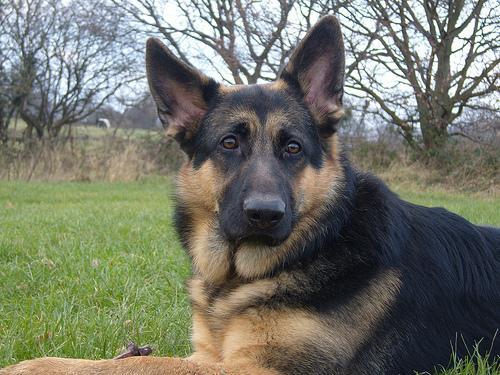
The German Shepherd was developed in Germany around 1899 as a herding and utility dog and remains the default police, military, and protection breed worldwide. It pairs elite trainability and problem-solving ability with strong loyalty and territorial instinct, so early socialization and consistent training are non-negotiable. Expect relentless shedding, high exercise needs, and a dog that wants a job. The breed suits experienced, active owners; it is a poor fit for households that are away all day or unable to provide structure.
Origin: Germany
Temperament
German Shepherd FAQ
How long do German Shepherds live?
The typical German Shepherd lifespan is 9–13 years. Diet, weight management, and screening for the breed's known hereditary conditions have the largest measurable effect on longevity.
How much does pet insurance cost for a German Shepherd?
Based on current rate data, expect to pay roughly $48–$88 per month for accident-and-illness coverage on a healthy adult German Shepherd. Premiums rise with age and vary by location and deductible.
Is the German Shepherd a good apartment dog?
Usually not. At 50–90 lbs with an energy level of 5/5, the German Shepherd needs more space and daily exercise than most apartments can offer.
What health problems are German Shepherds prone to?
The most significant documented risks are Hip and elbow dysplasia, Degenerative myelopathy, Bloat (GDV). Ask breeders for the relevant health clearances and budget for insurance early, before any condition becomes pre-existing.