Giant Schnauzer
Trait scores
Health risk profile
Conditions below are ranked by documented prevalence and severity in the Giant Schnauzer. Risk level drives both veterinary costs and insurance pricing.
| Condition | Risk | What to know |
|---|---|---|
| Hip dysplasia | moderate | The main orthopedic concern; request OFA clearances. |
| Bloat (GDV) | moderate | Deep-chested build raises torsion risk; know the emergency signs. |
| Hypothyroidism | moderate | Frequent in the breed; confirmed with a thyroid panel. |
| Toe cancer (squamous cell carcinoma) | moderate | Dark-coated Giants are predisposed to digital tumors; inspect toes regularly. |
| Progressive retinal atrophy | low | Inherited retinal degeneration reported at low rates; DNA tests available. |
Pet insurance for a Giant Schnauzer
Monthly accident-and-illness premiums for a healthy adult Giant Schnauzer, based on current rate data across major insurers. Enrolling early locks in coverage before breed-linked conditions become pre-existing.
Annual cost of ownership
Excluding insurance, budget $1,700–$3,000 per year for food, routine veterinary care, grooming, and supplies for a Giant Schnauzer. Chronic conditions from the risk table above can add significantly to that range — one reason breed-matched insurance matters.
About the Giant Schnauzer
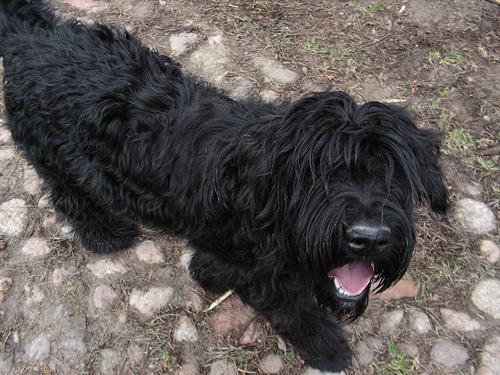
The Giant Schnauzer is a Bavarian cattle-driving and brewery-guarding dog, the largest of the three schnauzers and a serious working animal, not merely a big Miniature. It is powerful, intensely loyal, and highly trainable, with a protective edge that demands early socialization and confident, consistent handling. Giants need substantial daily exercise plus mental work and excel at protection sport and obedience. The hard coat sheds little but needs professional stripping or clipping. Suits experienced owners wanting a formidable, long-lived working partner.
Origin: Germany (Bavaria)
Temperament
Giant Schnauzer FAQ
How long do Giant Schnauzers live?
The typical Giant Schnauzer lifespan is 12–15 years. Diet, weight management, and screening for the breed's known hereditary conditions have the largest measurable effect on longevity.
How much does pet insurance cost for a Giant Schnauzer?
Based on current rate data, expect to pay roughly $45–$82 per month for accident-and-illness coverage on a healthy adult Giant Schnauzer. Premiums rise with age and vary by location and deductible.
Is the Giant Schnauzer a good apartment dog?
Usually not. At 55–85 lbs with an energy level of 5/5, the Giant Schnauzer needs more space and daily exercise than most apartments can offer.
What health problems are Giant Schnauzers prone to?
The most significant documented risks are Hip dysplasia, Bloat (GDV), Hypothyroidism. Ask breeders for the relevant health clearances and budget for insurance early, before any condition becomes pre-existing.