Great Pyrenees
Trait scores
Health risk profile
Conditions below are ranked by documented prevalence and severity in the Great Pyrenees. Risk level drives both veterinary costs and insurance pricing.
| Condition | Risk | What to know |
|---|---|---|
| Bloat (GDV) | high | Giant, deep-chested build; prophylactic gastropexy is worth discussing. |
| Hip dysplasia | moderate | Common in the breed; insist on OFA clearances. |
| Osteosarcoma | moderate | Bone cancer occurs at elevated rates in giant breeds. |
| Patellar luxation | moderate | Kneecap slippage seen at notable rates; keep the dog lean. |
| Eye disorders (entropion, cataracts) | moderate | Eyelid and lens problems occur; annual eye exams recommended. |
Pet insurance for a Great Pyrenees
Monthly accident-and-illness premiums for a healthy adult Great Pyrenees, based on current rate data across major insurers. Enrolling early locks in coverage before breed-linked conditions become pre-existing.
Annual cost of ownership
Excluding insurance, budget $1,900–$3,300 per year for food, routine veterinary care, grooming, and supplies for a Great Pyrenees. Chronic conditions from the risk table above can add significantly to that range — one reason breed-matched insurance matters.
About the Great Pyrenees
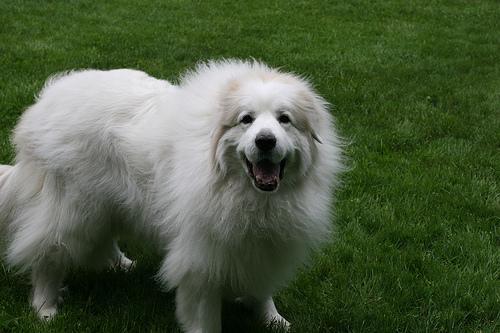
The Great Pyrenees guarded sheep alone in the Pyrenees Mountains for centuries, which produced its defining traits: calm, patient, and gentle with its flock or family, but independent to the point of selective deafness and hardwired to bark at night. Pyrs need secure fencing, tolerance for heavy seasonal shedding, and owners who accept that obedience is optional to a dog bred to think alone. Exercise needs are moderate. Suits rural or suburban families wanting a majestic, devoted guardian — and earplugs.
Origin: France / Spain (Pyrenees Mountains)
Temperament
Great Pyrenees FAQ
How long do Great Pyreneess live?
The typical Great Pyrenees lifespan is 10–12 years. Diet, weight management, and screening for the breed's known hereditary conditions have the largest measurable effect on longevity.
How much does pet insurance cost for a Great Pyrenees?
Based on current rate data, expect to pay roughly $52–$95 per month for accident-and-illness coverage on a healthy adult Great Pyrenees. Premiums rise with age and vary by location and deductible.
Is the Great Pyrenees a good apartment dog?
Usually not. At 85–115 lbs with an energy level of 3/5, the Great Pyrenees needs more space and daily exercise than most apartments can offer.
What health problems are Great Pyreneess prone to?
The most significant documented risks are Bloat (GDV), Hip dysplasia, Osteosarcoma. Ask breeders for the relevant health clearances and budget for insurance early, before any condition becomes pre-existing.