Otterhound
Trait scores
Health risk profile
Conditions below are ranked by documented prevalence and severity in the Otterhound. Risk level drives both veterinary costs and insurance pricing.
| Condition | Risk | What to know |
|---|---|---|
| Hip and elbow dysplasia | high | Common in the breed; insist on OFA clearances given the tiny gene pool. |
| Bloat (GDV) | moderate | Deep-chested build; feed measured meals and rest after eating. |
| Ear infections | moderate | Long, oily ears and constant swimming combine to cause otitis. |
| Seizures (epilepsy) | moderate | Idiopathic seizures appear in the breed's limited gene pool. |
| Glanzmann thrombasthenia | low | Rare breed-specific bleeding disorder; DNA test available. |
Pet insurance for a Otterhound
Insurers price a Otterhound from the breed's documented claims profile — here, 1 high-risk condition, led by Hip and elbow dysplasia. Enrolling early matters more than shopping hard: no carrier covers a condition once it is diagnosed.
Annual cost of ownership
Excluding insurance, the recurring cost of a Otterhound is driven by how much it eats — which scales with body weight — and how much grooming it needs. At 80–115 lbs and a grooming score of 3/5, the Otterhound sits around the average dog on grooming spend. Chronic conditions from the risk table above can add substantially to the medical side of the budget — one reason breed-matched insurance matters. For the component-by-component breakdown, see the average cost of owning a dog, and model your own numbers with thecost of ownership calculator.
About the Otterhound
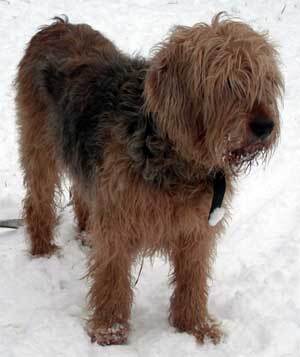
The Otterhound is one of the world's rarest breeds — fewer than a thousand exist — an English pack hound built for otter hunting with webbed feet, an oily waterproof coat, and a nose that works underwater. It is a big, boisterous, amiable clown: friendly with everyone, muddy by lifestyle, and stubborn in training as only a scent hound can be. The baying voice carries, and daily exercise plus swimming access keep it happiest. Suits rural, patient owners charmed by a loud, shaggy, endangered original.
Origin: England
Temperament
Related reading for Otterhound owners
Otterhound FAQ
How long do Otterhounds live?
The typical Otterhound lifespan is 10–13 years. Diet, weight management, and screening for the breed's known hereditary conditions have the largest measurable effect on longevity.
How much does pet insurance cost for a Otterhound?
There is no published breed-level price for pet insurance, so we do not quote one. NAPHIA's 2026 industry report puts the US average at $836 a year — about $70 a month — for accident-and-illness coverage on a dog, and insurers price above or below that line based on your dog's age, your ZIP code, and the plan you configure. The Otterhound carries 1 documented high-risk condition, which is the main reason a Otterhound policy prices above the national average. For real numbers, request quotes for your dog's exact age and ZIP code.
Is the Otterhound a good apartment dog?
Usually not. At 80–115 lbs with an energy level of 4/5, the Otterhound needs more space and daily exercise than most apartments can offer.
What health problems are Otterhounds prone to?
The most significant documented risks are Hip and elbow dysplasia, Bloat (GDV), Ear infections. Ask breeders for the relevant health clearances and budget for insurance early, before any condition becomes pre-existing.