Schipperke
Trait scores
Health risk profile
Conditions below are ranked by documented prevalence and severity in the Schipperke. Risk level drives both veterinary costs and insurance pricing.
| Condition | Risk | What to know |
|---|---|---|
| MPS IIIB (mucopolysaccharidosis) | moderate | Breed-specific lysosomal storage disease causing progressive neurologic decline; DNA testing identifies carriers. |
| Patellar luxation | moderate | Kneecap slippage occurs at typical small-breed rates. |
| Hypothyroidism | moderate | Common in middle age; easily confirmed and treated. |
| Legg-Calve-Perthes disease | moderate | Hip-joint degeneration in young dogs; surgically correctable. |
| Eye disease (cataracts, PRA) | low | Occasionally seen; annual eye exams catch early signs. |
Pet insurance for a Schipperke
Insurers price a Schipperke from the breed's documented claims profile — here, a clean bill of health with no dominant high-risk hereditary condition. Enrolling early matters more than shopping hard: no carrier covers a condition once it is diagnosed.
Annual cost of ownership
Excluding insurance, the recurring cost of a Schipperke is driven by how much it eats — which scales with body weight — and how much grooming it needs. At 10–16 lbs and a grooming score of 2/5, the Schipperke sits below the average dog on grooming spend. Chronic conditions from the risk table above can add substantially to the medical side of the budget — one reason breed-matched insurance matters. For the component-by-component breakdown, see the average cost of owning a dog, and model your own numbers with thecost of ownership calculator.
About the Schipperke
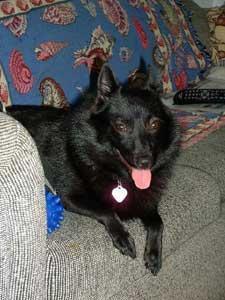
The Schipperke — "little captain" in Flemish — worked Belgian canal barges as ratter and watchdog, and the job still shows: this is a fearless, inquisitive, independent small dog with a big alarm bark and a talent for escape. It is robust and long-lived for a toy-sized breed, with a harsh black coat that needs only weekly brushing. Training requires patience because Schipperkes have their own agenda, and their curiosity gets them into cabinets, counters, and trouble. Suits active owners who want a sturdy, sharp, characterful watchdog rather than a lap ornament.
Origin: Belgium (Flemish canal barges)
Temperament
Related reading for Schipperke owners
Schipperke FAQ
How long do Schipperkes live?
The typical Schipperke lifespan is 12–14 years. Diet, weight management, and screening for the breed's known hereditary conditions have the largest measurable effect on longevity.
How much does pet insurance cost for a Schipperke?
There is no published breed-level price for pet insurance, so we do not quote one. NAPHIA's 2026 industry report puts the US average at $836 a year — about $70 a month — for accident-and-illness coverage on a dog, and insurers price above or below that line based on your dog's age, your ZIP code, and the plan you configure. The Schipperke carries no dominant high-risk hereditary condition, which keeps it near or below that average. For real numbers, request quotes for your dog's exact age and ZIP code.
Is the Schipperke a good apartment dog?
Conditionally. The Schipperke can live in an apartment, but its 4/5 energy level means you'll need a consistent daily exercise routine.
What health problems are Schipperkes prone to?
The most significant documented risks are MPS IIIB (mucopolysaccharidosis), Patellar luxation, Hypothyroidism. Ask breeders for the relevant health clearances and budget for insurance early, before any condition becomes pre-existing.