Scottish Terrier
Trait scores
Health risk profile
Conditions below are ranked by documented prevalence and severity in the Scottish Terrier. Risk level drives both veterinary costs and insurance pricing.
| Condition | Risk | What to know |
|---|---|---|
| Bladder cancer (transitional cell carcinoma) | high | Scotties have one of the highest TCC rates of any breed; blood in urine warrants immediate screening. |
| Von Willebrand disease | moderate | Inherited clotting disorder; DNA testing clarifies surgical risk. |
| Scottie cramp | moderate | Breed-specific movement disorder triggered by excitement; usually managed, not cured. |
| Craniomandibular osteopathy | moderate | Painful jaw-bone overgrowth in puppies, usually outgrown by one year. |
| Patellar luxation | moderate | Kneecap slippage occurs at typical terrier rates. |
Pet insurance for a Scottish Terrier
Monthly accident-and-illness premiums for a healthy adult Scottish Terrier, based on current rate data across major insurers. Enrolling early locks in coverage before breed-linked conditions become pre-existing.
Annual cost of ownership
Excluding insurance, budget $1,200–$2,200 per year for food, routine veterinary care, grooming, and supplies for a Scottish Terrier. Chronic conditions from the risk table above can add significantly to that range — one reason breed-matched insurance matters.
About the Scottish Terrier
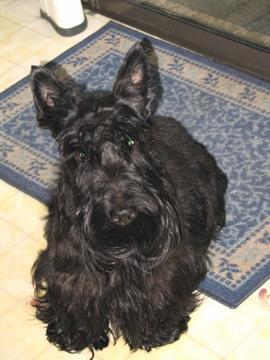
The Scottish Terrier is a compact Scottish earthdog with a famous silhouette — bearded muzzle, erect ears, and a dignified, almost dour expression that hides real devotion to its people. Scotties are independent thinkers, moderate in exercise needs, and reserved with strangers and other dogs; this is not a social butterfly. The hard coat needs regular clipping or hand-stripping, and owners should know the breed's elevated bladder-cancer risk for early screening. Suits owners who want a self-possessed, characterful companion rather than a lap dog.
Origin: Scotland (Aberdeen)
Temperament
Scottish Terrier FAQ
How long do Scottish Terriers live?
The typical Scottish Terrier lifespan is 11–13 years. Diet, weight management, and screening for the breed's known hereditary conditions have the largest measurable effect on longevity.
How much does pet insurance cost for a Scottish Terrier?
Based on current rate data, expect to pay roughly $35–$64 per month for accident-and-illness coverage on a healthy adult Scottish Terrier. Premiums rise with age and vary by location and deductible.
Is the Scottish Terrier a good apartment dog?
Yes. With an energy level of 3/5 and a small build, the Scottish Terrier adapts well to apartment living provided it gets daily walks.
What health problems are Scottish Terriers prone to?
The most significant documented risks are Bladder cancer (transitional cell carcinoma), Von Willebrand disease, Scottie cramp. Ask breeders for the relevant health clearances and budget for insurance early, before any condition becomes pre-existing.